Capturing and exchanging multi-national perceptions of maternal and neonatal immunization
Dr Marie Yang, University of Liverpool, United Kingdom
Vaccines are the most effective way to prevent infectious diseases. The factors driving the decision to vaccinate are complex and stem from historical, political and socio-cultural influences. Public health and vaccine policies, health professionals, communications and media are also key influencers in this individual decision-making process. As researchers, we recognise the need to engage with the public and understand its perception about maternal and neonatal vaccination, and vaccine research as a whole.
In their project ‘Capturing and exchanging multi-national perceptions of maternal and neonatal immunisation,’ Marie Yang and her team collaborated with their partners at the Chulalongkorn University and the Malawi-Liverpool Wellcome Trust Programme. They recruited participants from three cities from different continents, i.e., Liverpool (UK), Blantyre (Malawi) and Bangkok (Thailand), and asked them, e.g., what a vaccine is, whether vaccines are safe, what informs their decision to vaccinate or what their opinions are on the newly introduced COVID-19 vaccines. Their responses were captured through pictures and videos and collated into a short film.
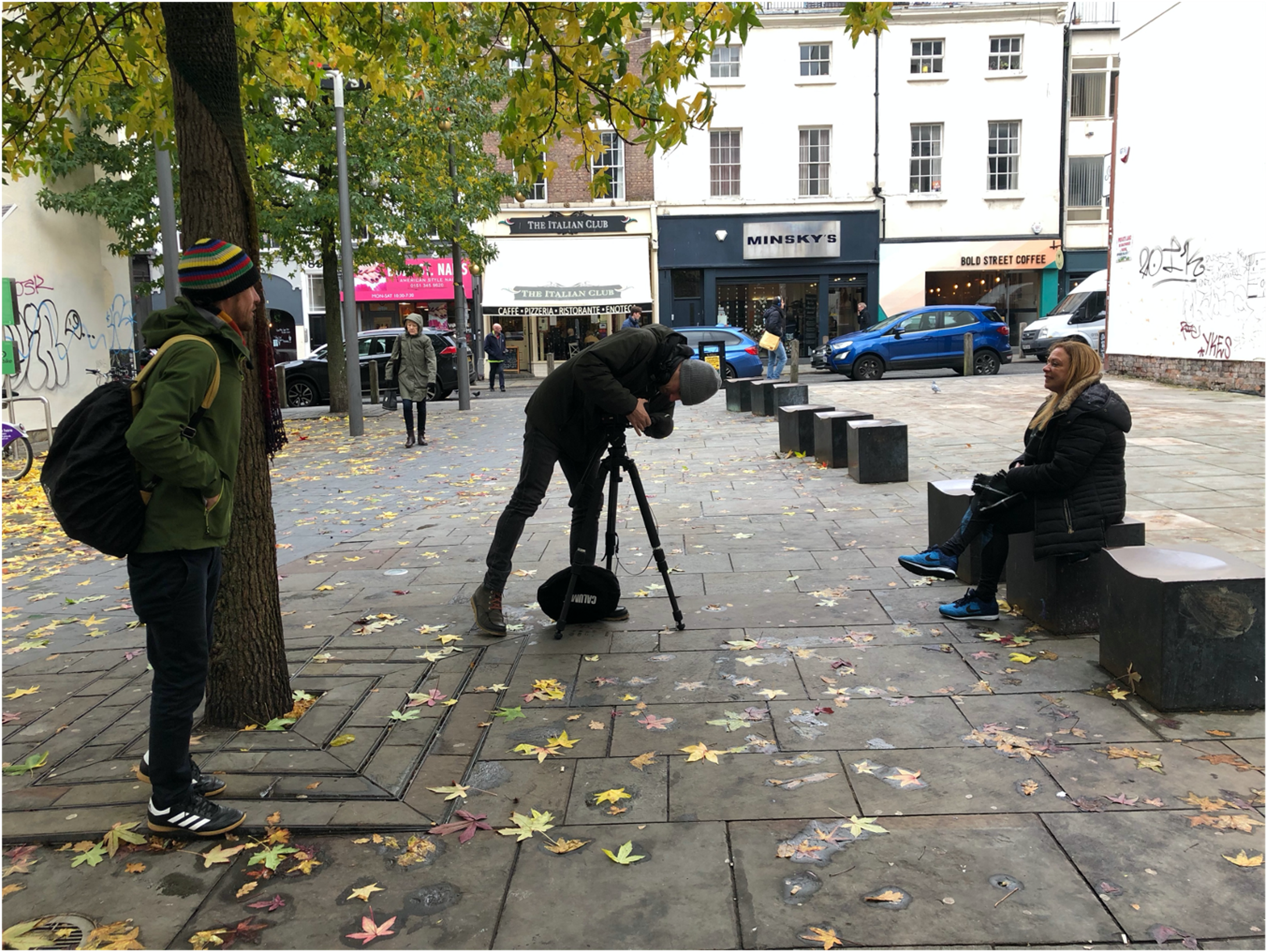
The short film portrays the beliefs and concerns of parents, grandparents, and professionals about vaccines, and also their conflicting journeys through social media and vaccine information material, and their understanding of risk-benefit ratios. The short film also informs on people’s health literacy in general.
Marie Yang and her colleagues hope that the short film will be used as a tool to engage communities around the world to start their own debate, overcome misinformation and break down the barriers to vaccine acceptance. They are keen to pursue this project through public outreach activities that will help further empower the public and build trust in maternal and neonatal vaccination, and vaccine research.
-
Promote exchange of opinions and shared experiences around maternal and neonatal immunisation beyond geographical, social and economical borders with the long-term goal of understanding and identifying vaccination barriers and enablers
-
Small focus groups in the UK, Malawi and Thailand
-
2019-2021
-
41 people including 23 in focus groups (Liverpool and Bangkok) and 18 one-on-one interviews in the UK, Malawi, and Bangkok
Ultimate aim to reach a broader target group showing the video/output from the interviews/focus groups aim in phase II to recruit participants and show them short-film to capture their reactions/opinions and stimulate dialogue and discussion
-
Capture the views expressed by lay people or “non-experts” expressed through focus group discussions or one-on-one interviews in order to produce a thought provoking video splicing together these conversations to stimulate further discussion and reflection among video viewers (preferably in a group setting). Key part of focus groups was professional moderation rather than supervision by “health experts.”
Aim is not for experts to “educate” participants and influence their views but rather more passive process of engaging people in dialogue on vaccines
-
3+ hours of content of videos recording interviews and focus group discussions
An edited short video developed for showing to audiences in phase II of the project.
Survey to capture views of video viewers before and after watching video (for phase II of the project)
-
Increased understanding of the topic. “Vaccine hesitancy, which embodies the unwillingness to receive vaccines when vaccination services are available and accessible” (Wyisonge et al. 2021). This project has re-emphasized that vaccine hesitancy is a complex, dynamic and fragile process that varies depending on social influences, associative thinking, and information availability/access – all of which can change very rapidly over time and vary significantly across geographical settings. As observers, we felt that the views of our participants were largely shaped by personal and social circumstances.
Enjoyment. It was a real pleasure working with our partners/researchers at both Malawi and Thailand sites – we are truly indebted to them and to all the participants.
Skills development. Team management and team-building skills were definitively nurtured through this project.
Attitudinal change. It is difficult to determine whether our short film has/will incite attitudinal change. Scientific issues such as vaccine hesitancy are affected not only by cognitive values but also by affective and behavioural notions.
Inspiration and creativity. James Alcock, the film creative director on this project, invested his skills and truly brought this project to life. His creativity was inspiring and highly contagious!
New experiences. The creation of a short film demands interactions with new partners, new collaborators, but also active engagement from the study participants. It was rewarding to give people a voice and engage in discussion with them – it was priceless.