Case studies
Case studies providing an in-depth, detailed examination of four of the ten public engagement projects financed during the first IMPRINT funding cycle have been produced to share insights into the process of designing and managing these projects and to showcase outcomes.
Empowering Traditional Birth Attendants to increase the utilization of maternal and neonatal immunizations in Imo State, Nigeria
Traditional birth attendants (TBAs) are community based, informally trained providers of maternal care during pregnancy, childbirth and after delivery; and they form an integral part of the social, cultural and religious fabric in most communities in Nigeria. Therefore, TBAs have the potential to contribute significantly to the uptake of maternal…
Establishing a pool of school-going adolescent girls and boys as immunisation ambassadors in Entebbe, Uganda (also known as VaxLead)
This project aimed to establish a pool of school-going adolescent girls and boys as ‘immunisation ambassadors’ and change agents able to engage and empower mothers and community members and link them to maternal and neonatal immunisation services. One way of linking mothers and communities to immunisation services is by educating…
“Operation thrive” – An innovative community-based initiative in tribal areas of India to improve maternal and neonatal health
This project aimed to increase knowledge and promote change in social norms and behaviour pertaining to vaccination during pregnancy and the neonatal period among tribal communities in India. It focused on establishing systems within communities that resolve challenges and barriers related to antenatal and postnatal care, institutional delivery, neonatal…
Capturing and exchanging multi-national perceptions of maternal and neonatal immunisation
This project aimed to capture and share perceptions of maternal and neonatal vaccination in 3 nations which contrast in their socio-economical status, immunisation policies, ready access to antenatal health care resources and vaccine confidence levels. Using consultation groups and semi-structured interviews, the aim was to produce a short-film portraying multi-national…
Empowering Traditional Birth Attendants to increase the utilization of maternal and neonatal immunizations in Imo State, Nigeria
Dr Chinedu Iwu, Imo State University Teaching Hospital, Orlu, Nigeria
Project period: January 2020 - April 2020
Summary of the project
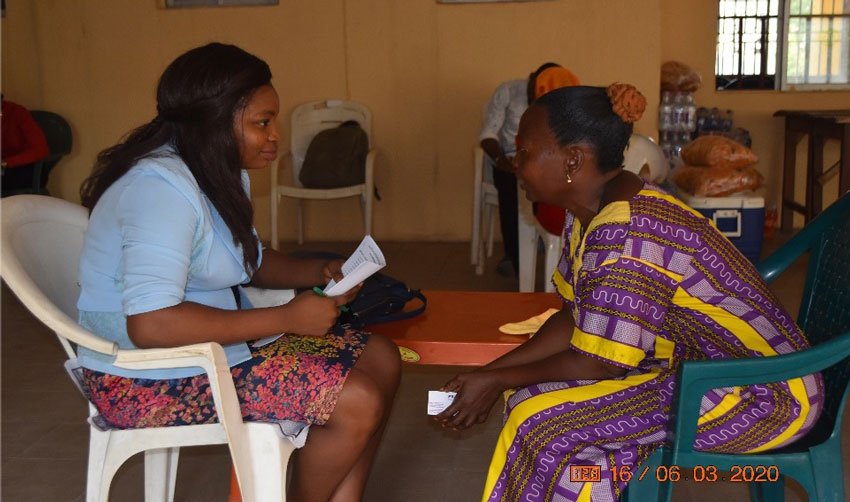
Traditional birth attendants (TBAs) are community based, informally trained providers of maternal care during pregnancy, childbirth and after delivery; and they form an integral part of the social, cultural and religious fabric in most communities in Nigeria. Therefore, TBAs have the potential to contribute significantly to the uptake of maternal and neonatal immunization. Despite their limitations in handling the complications of childbirth and the Government’s promotion of hospital based skilled birth attendants as the safer option, the TBAs are widely accepted and patronized, especially in resource limited environments. The aim of the project was to engage and empower the TBAs to be more knowledgeable with positive attitude in order to develop the willingness to promote uptake of maternal and neonatal immunization.
Ninety TBA participants were selected from proximal rural areas within each of the three senatorial geopolitical zones of Imo State, Nigeria. The TBAs were engaged and linked to Health Facility Immunization Focal Persons through an audio-visually structured workshop that took into cognizance their level of education, customs and traditions. A pre and post training interviewer administered questionnaire was used to evaluate the program with respect to the level of knowledge, attitude and willingness to promote immunization.
Profile of the project lead
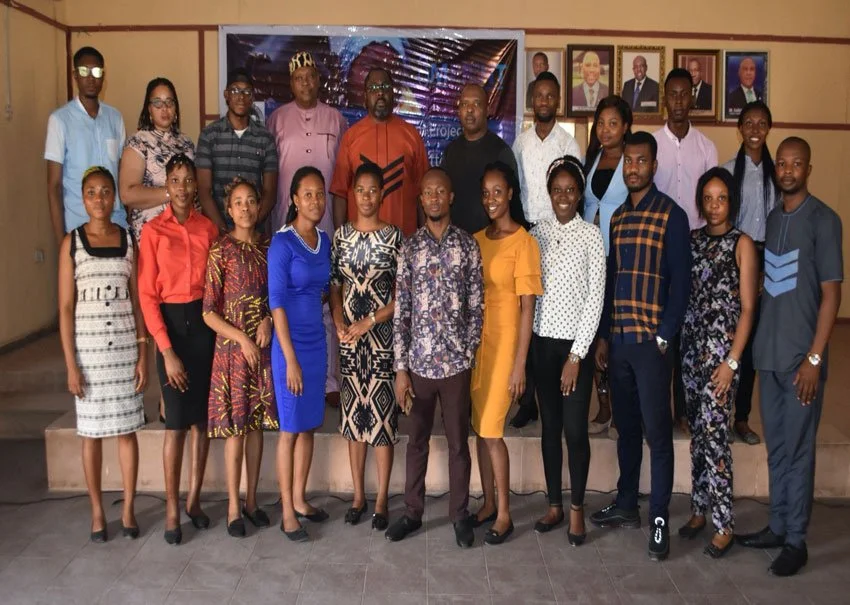
Dr Chinedu Iwu is a lecturer with the College of Medicine, Imo State University and the Director of Post-graduate Medical Training with Imo State University Teaching Hospital.
In the past, Dr Iwu has worked as a trainer/facilitator for World Health Organization (WHO) in the area of Infection, Prevention and Control for Health Care Workers and as an External Reviewer and Evaluator on best practices in polio eradication initiatives and other health interventions in Nigeria. He has also served as National Supervisor for the Measles Vaccination Campaigns and as Medical Administrator of the COVID-19 Isolation and Treatment Centers in Imo State, Nigeria.
Dr Iwu is a clinician by training and while he has varied experience working on vaccines at different levels, the IMPRINT project was the first public engagement project he has led and worked on. He came to this project with a keen interest in public engagement and getting more involved in this area and the IMPRINT project was an excellent opportunity for him to do this.
Dr Iwu took the decision to make TBAs the focus of his IMPRINT public engagement project as this group is known to play a key role in the health of babies and mothers in rural areas of Nigeria including in Imo State. TBAs operate outside of the formal health system and yet have a direct impact on health seeking and decision-making at a community level and therefore engaging them to promote vaccination has great potential. Further, the project aimed not just to improve TBA knowledge about vaccination so they could impart this to their clients in the community, but also, to link the TBAs up to the formal vaccination channels and building networks with vaccination clinics and immunisation staff.
Project theory of change
Recognising that despite the Government’s promotion of hospital-based skilled birth attendants as the safest for delivery and as long as TBAs are widely accepted and patronized there is an opportunity to improve maternal and child health outcomes and vaccination rates by linking these birth attendants with the formal health system and educating them about the importance of advising their clients to seek vaccination. TBAs are well placed to link women to vaccination services and provide referrals to the clinics.
By improving the knowledge and understanding of TBAs and breaking down barriers for them to recommend vaccination, it is expected that the rate of vaccination among mothers in the communities these TBAs serve will increase during and after the project.
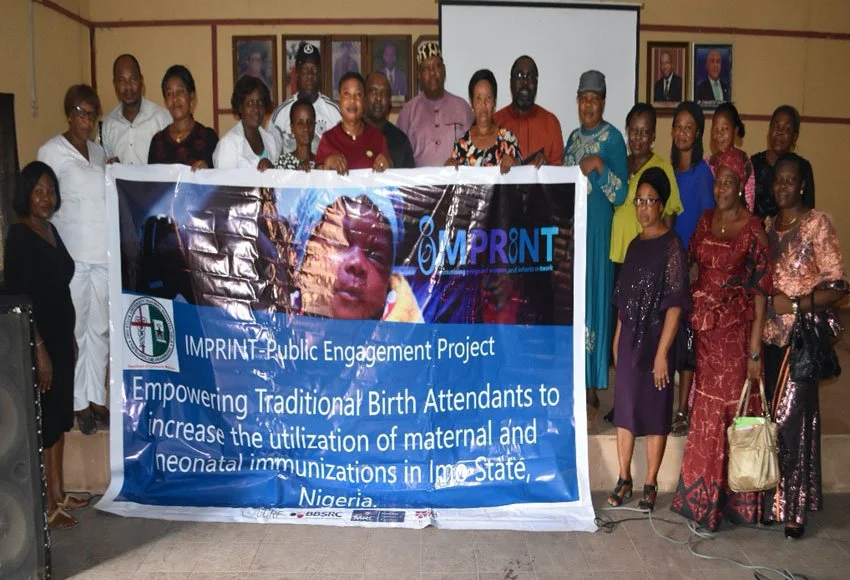
The main method used to impart this knowledge and sensitize TBAs was to bring together a group of TBAs for a full-day in-person training and sensitization event (90 TBAs total). This event was the culmination of a series of pre-mobilisation activities and the preparation of materials. On the training day the following were delivered: 1) screening a video produced by the project team in local language showing a dramatization to portray the importance of maternal immunization and the roles TBAs can play in its uptake, 2) a number of presentations using PowerPoint with talks given by different healthcare workers explaining vaccination and the consequences of diseases that people can get if they are not vaccinated, 3) networking to link TBAs to their local counterparts in the health care system including public health physicians and immunization focal persons from local immunization centres to facilitate referrals of pregnant women in future.
Project implementation
There was no existing network or relationships between TBAs and Dr Iwu’s team/institution prior to this project so the first challenge was to develop contacts and relationships with women working as TBAs in the rural areas of Imo State covered by the project. This was a challenging aspect of project implementation as these women (TBAs are exclusively women in this area) operate through informal channels at the community level. Dr Iwu’s team set out to map out these networks and develop a contact list by first identifying leaders among the TBAs in a given region and then reaching out to them directly to build trust and get buy-in for the project. Once the team had done this they used a “snowball” approach to expand the TBA contact list, they did this by requesting contact information for other TBAs from the leaders identified and then having them share their contacts. The team also set up a “call centre” supported by one of the members of Dr Iwu’s team to take calls from TBAs who found out about the event and were interested in attending. Potential participants were thus able to find out more about the project and join the invite list and ask any questions to trained staff.
A final list of 90 TBAs were enrolled as they came, invited to the sensitization event – the main delivery platform in this project.
The other crucial aspect of this pre-mobilisation stage of the project was finding out how these TBAs viewed vaccination – what knowledge they had and how many of them were referring their clients for vaccination and what barriers were faced or (mis)conceptions held by this group about vaccines. This information was collected through one on one conversations and was carefully documented by the team. This initial discussion stage proved vital in the creation of the sensitization materials for the training that were able to address the specific concerns and questions raised by this group.
For example, one unexpected concern aired by TBAs in the pre-mobilisation phase of the project was a fear that the project was linked to the government and was aimed at taking away their jobs (knowing that the government is working to promote skilled birth attendant deliveries over TBA deliveries). TBAs were also worried that referring pregnant women and new mothers to get immunised would threaten their own livelihoods and that they were risking losing their clients who might then move into the “formal” health system for subsequent births. The project team addressed these concerns and provided reassurance of the independence of the project from the government and that TBAs can coexist with the health care workers.
Working effectively with a diverse team
Dr Iwu’s team working on this project was a multi-disciplinary team including both clinicians/physicians and public health staff from his institution. This diverse team had a shared interest in public and community engagement.
A key partner that was brought into the project that had a different skill set to the health team was the creative partner to produce the audio-visual content (both the dramatization video and radio jingles). The Imo State cultural centre was brought in as a partner on the project as they had expertise and resources for developing the content needed. The cultural centre was able to play a major role in developing the audio-visual content in collaboration with the health team – they led on recruiting actors from communities speaking local languages and dialects, developing entertaining scripts, filming and editing video and radio content and bringing an understanding of local cultural norms which helped to inform how the dramatization was crafted. This partner brought localised knowledge that was relevant to the project as well as technical skills and equipment needed.
Developing content – an iterative process
Due to limited access to the internet and TV among TBAs and the communities they serve, and relatively low literacy rates, it was decided that a video dramatization in local language screened during the training event would be an important and necessary tool for educating and sensitizing TBAs to the importance of vaccination in pregnant women and new mothers and communicating these messages in a way that would have an impact. The video was therefore seen as a very important part of the sensitization strategy. Furthermore, since the video was developed after the pre-mobilisation consultations with TBAs, it was able to address their specific misconceptions or concerns.
Developing an appropriate and scientifically accurate script was another key challenge of the project, and it required an ongoing dialogue and series of exchanges between the creative lead team at the Imo State cultural centre and the health team. Dr Iwu describes how he and his physician colleagues went in knowing exactly what they wanted to achieve however it was an iterative process getting the content exactly right and required many rounds of edits with the cultural centre team. Following an initial meeting, scripts were sent back and forth. The health team worked to finesse the language to ensure it was medically and scientifically accurate while the cultural centre team finessed the script to make sure cultural practices and local customs were reflected accurately and it flowed well as a dialogue. One challenge the health team faced was ensuring precise translations of medical language into local language which is not always straightforward and subtle differences in meaning can easily cause misunderstandings. The process took time and required collaboration among people who would not normally work closely together.
Measuring success
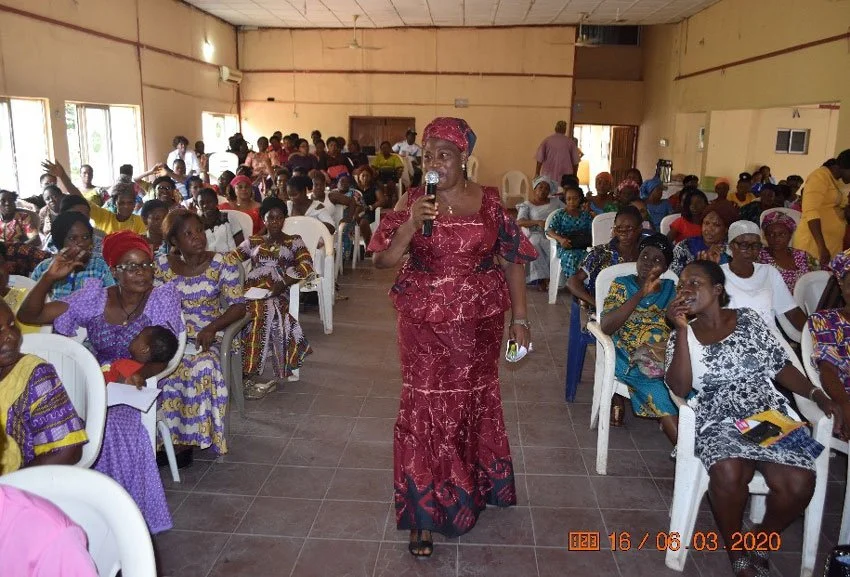
The event took place and was well attended by TBAs. The feedback received by the team from the local healthcare workers, immunization focal persons and TBAs was very positive.
The post-event survey of TBAs demonstrated a significant change in how much TBAs understood about vaccination as well as a new determination that they would refer clients to services in the future. In fact, following attendance at the event, 100% of TBAs attending said they would now encourage immunization uptake among their clients.
While Dr Iwu reported on the expected direct impacts of his project, stating that the reported average number of deliveries overseen by each TBA per month is 10 (average 120 per year) with the project reaching many thousands of expectant and new mothers within a year, he raises the limitation of assessing impact in this kind of project. With more funding, he describes how a more detailed evaluation of the project could yield data on actual vaccination uptake rates in order to provide a picture of the project effectiveness. Even though we expect that improved knowledge and attitude among TBAs will empower them to effectively motivate their clients and increase immunization uptake within their communities, it would be great in future projects to be able to actually quantify this impact on vaccine uptake and do a more rigorous assessment.
There were activities whose impact would be harder to measure, however, Dr Iwu is certain that these activities will continue having an impact long after the project is over. The linking of TBAs (including the exchange of names and phone numbers between the TBAs and the local immunization focal persons linked to particular villages) will facilitate ongoing communication between these groups, and hopefully, a pipeline of referrals to vaccination services after the end of the project. This impact is a very important one, but one that is hard to specifically measure and quantify. It may be that this kind of “intangible” impact is one that many public engagement projects have but cannot be readily measured. Connections and relationships built through the project are likely to ensure well beyond the relatively short timeframe of implementation.
Consideration of project scale-up and relevance to other contexts
Dr Iwu raises the point that delivery by TBAs is common in many parts of the world and that they continue to exist outside of formal health care systems. Therefore, the model of making the change via educating and empowering TBAs, as well as linking them to people in the formal health care and vaccination system, is an approach that may be relevant to many other similar rural contexts in other parts of Nigeria, Africa or beyond. In other contexts where TBAs are a significant part of the delivery of infants and have direct contact with pregnant women then this approach could be used and have an impact on newborn and maternal health. The video dramatization and radio jingles, the PowerPoints used in the live event and the surveys developed in this project are all available on the intranet and can be accessed and shared by IMPRINT members.
Key lessons learned
- The pre-mobilisation stage is key: Where a project aims to educate/influence a group about vaccination, pre-mobilisation engagement is critical so the content and approach can be tailored to the specific questions, concerns and misconceptions held by this group
- Work collaboratively and bring in diverse expertise: Scientists/physicians can benefit greatly by enlisting a good creative collaborative partner with expert tools and resources to help on the creative side of developing dramatizations and audio-visual content – partnering with such a creative institution with links already in local communities is an added bonus
- There is potential for scaling up and using the model elsewhere: the budget while appropriate for this project was limited to the scale of the project – there were many “initial costs” through developing the sensitization materials which, with relatively fewer additional funds could have massively amplified the impact. For example, the radio jingle could have been made available to a wider audience via the purchase of additional radio time or the training materials and video could have been reused in additional training with other groups of TBAs- only 90 women directly benefitted from this intervention. The initial outlay to develop public engagement materials means a phase II can be very effective if only to amplify the reach of materials developed initially.
- A learning exercise in public engagement for all involved: the experience of working on this project and the networks formed will continue having an impact long after the life of the project. This does not just apply to the project participants but also the academic team who engaged in this project as an “experiment”; as they will be able to build on this for future public engagement work.
Publication
Iwu, C.A., Uwakwe, K., Oluoha, U. et al. Empowering traditional birth attendants as agents of maternal and neonatal immunization uptake in Nigeria: a repeated measures design. BMC Public Health 21, 287 (2021). doi: 10.1186/s12889-021-10311-z
Establishing a pool of school-going adolescent girls and boys as immunisation ambassadors in Entebbe, Uganda (also known as VaxLead)
Dr Patrice Mawa, Uganda Virus Research Institute (UVRI), Entebbe, Uganda
Project period: October 2020 - April 2021
Project summary
This project aimed to establish a pool of school-going adolescent girls and boys as ‘immunisation ambassadors’ and change agents able to engage and empower mothers and community members and link them to maternal and neonatal immunisation services.
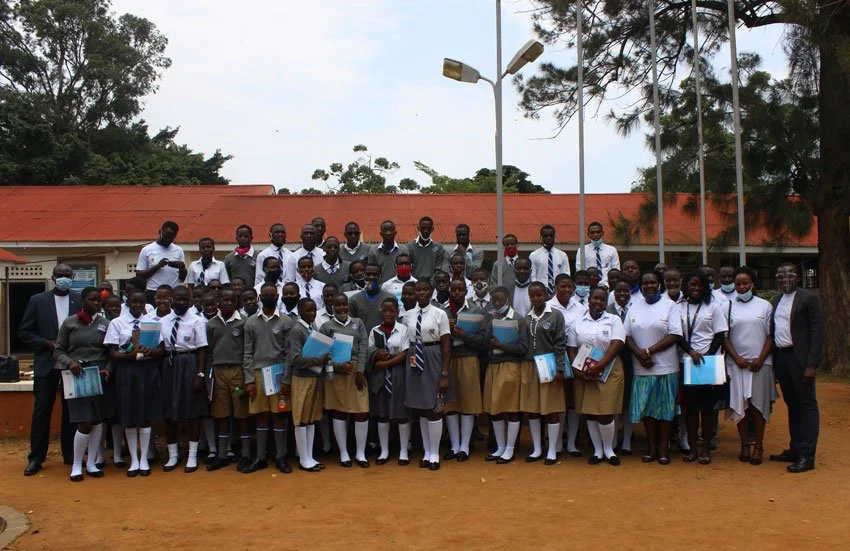
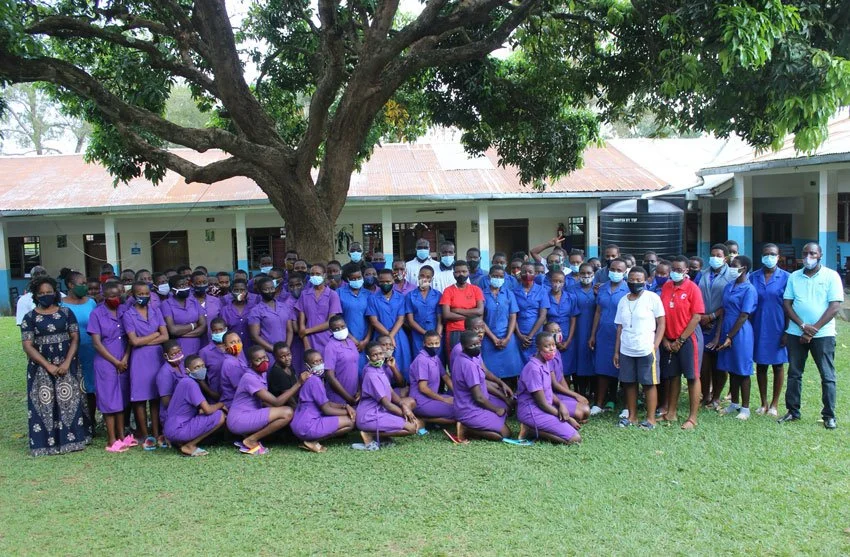
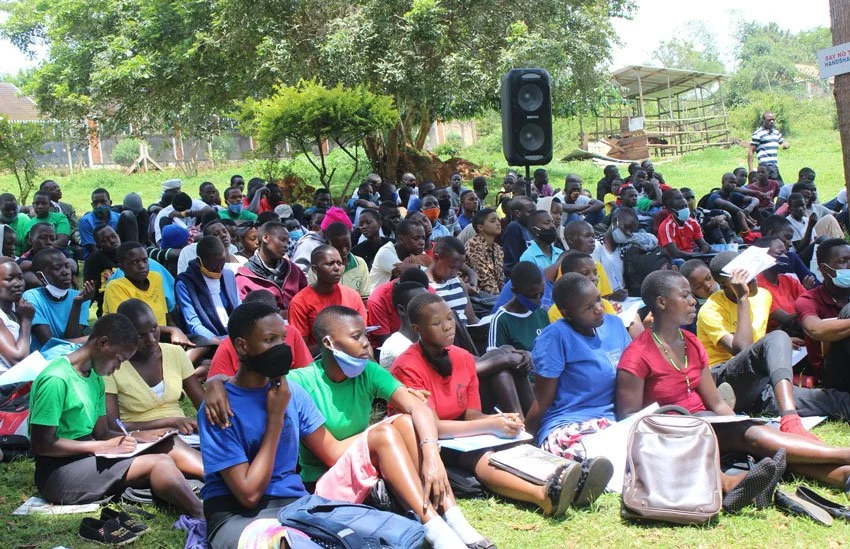
One way of linking mothers and communities to immunisation services is by educating their daughters and sons as ’immunisation ambassadors’ and mediators between their mothers and immunisation services. Over 500 youths (approximately 400 girls and 100 boys) aged 15-19 years from ten rural secondary schools in Entebbe, Uganda, participated in this project. They were trained on vaccines, the importance of timely vaccination, maternal immunisation, and leadership. The trainings aimed to equip them to become ‘immunisation ambassadors’ and community leaders, who link their mothers and communities to maternal and neonatal immunisation services.
Profile of the project lead
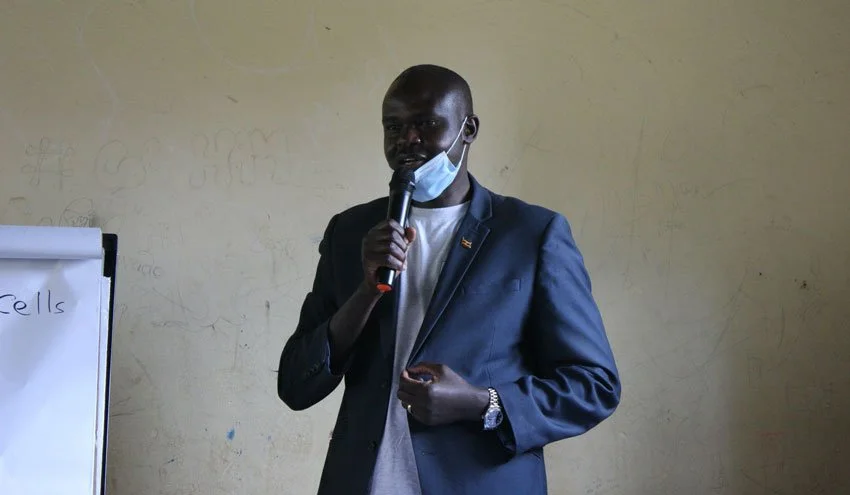
Dr Mawa is an immunologist by training with a PhD completed at the London School of Hygiene and Tropical Medicine (LSHTM). His research work has focussed on vaccines and immunity with work on the immuno-epidemiology of helminths, HIV and tuberculosis with a particular interest in maternal and infant immunity and responses to vaccines. He currently works as a principal scientist at the Uganda Virus Research Institute (UVRI) in Entebbe.
Dr Mawa has become increasingly interested in community and public enragement and has been involved in several initiatives to date. He was involved in the Science Cafes in Uganda and has a keen interest in science communications. He had not worked with adolescents in a school context before, but felt this group is a key one to engage on vaccines – he sees the rise in vaccine hesitancy and misinformation as a major challenge of the future and believes that educating people young people about vaccines and immunity will form well-educated citizens of the future and high rates of vaccine acceptance. Young people can also transmit knowledge to parents and communities.
Project theory of change
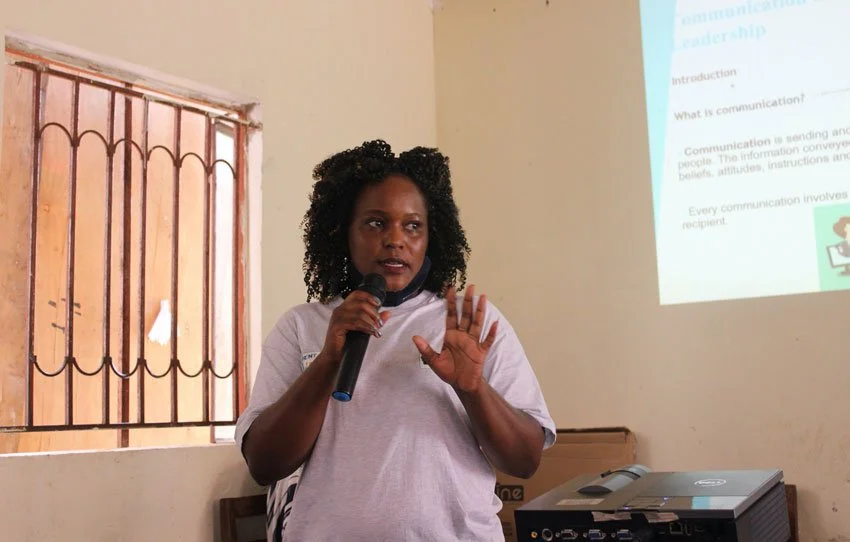
The strategy of this project was to train a cohort of adolescents to be active “vaccine ambassadors” in their communities, with their parents and among their peers. Student trainings aimed to disseminate correct information about vaccines and immunity to adolescents as well as give students leadership and communication skills.
A unique aspect of this project was the emphasis on imparting scientific knowledge and educating students about the immune system, rather than just focusing on vaccines and the consequences of disease. The aim was really to help students understand the mechanisms of immunization and inspire them with science.
Project implementation
Reaching out to local schools
There was no pre-existing relationship with local schools so the first stage of work for Dr Mawa’s team was to build this network. Fifteen schools were scoped in the local target area and ten were ultimately selected for inclusion in the project. Given that maternal vaccination was a focus area of this project, girls were prioritised for inclusion: approximately 400 girls and 100 boys were selected to participate (some schools were girls-only schools).
Of the ten schools in the project six were private schools and had more affluent students while four were government-funded and included pupils from less privileged backgrounds. The evaluation Dr Mawa did of his project (in the form of questionnaires completed by student participants in the trainings) showed some interesting differences between the private and government schools: unexpectedly vaccine hesitancy was more common among pupils from the more affluent schools.
Developing engaging, age-appropriate and scientifically accurate materials
One of the key challenges of this project was developing appropriate materials and activities for students to effectively educate them on a range of vaccine and immunity concepts. Dr Mawa and his team worked closely with teachers in the target schools on development of materials. The teachers themselves did not always have a sound understanding of vaccines and immunity themselves so the scientific team also worked to sensitize teachers on key concepts and messages as well as collaborating with them on developing content.
The outputs were created to include a training manual, PowerPoint presentations and role-play scenarios and guidelines. All materials were produced in English (the language of instruction in schools in Uganda) but some were translated into local language to help students disseminate these to the community level.
Dr Mawa prioritised the following themes in these training materials:
- how vaccines are made
- how we know vaccines are safe
- how licensing and safety works
- basics of the immune system
- epidemiology and how herd immunity works at a population level.
Creative methods were used in the activities to engage students, for example a participatory student drama exercise was created to demonstrate how herd immunity works. The collaboration between teachers and scientific staff in Dr Mawa’s team was key – this ensured that all content was both scientifically accurate and understood for the relevant age groups.
Scale-up and future opportunities
Dr Mawa raised that there are many future possibilities to build on from this small project including leveraging the contacts and platforms established in schools. Teachers have been enthusiastic about the project and continue to use the materials. They have also requested collaboration to adapt the materials for younger students of primary school age. The network with teachers established can be a useful platform for future projects and public engagement.
Student “vaccine clubs” have also been formed through the project and will continue to engage new students in activities – these build on the concept of “science clubs” already in schools in Uganda. The network of student ambassadors involved in these clubs could be leveraged for future work, for example documenting and sharing their activities at the community level or reporting the number of referrals to vaccination centres resulting from student ambassador outreach activities.
Key lessons learned
- Consent for working with adolescents: The project saw unexpected delays due to the proposal of working with young people under 18 years. Special consent and ethical approval needed. Eventually it was agreed that as the pupils’ teachers were involved and the research was “non-invasive” it could proceed, but a lot of ramp up time needed to work with young people and ensure correct checks are done.
- Investing in young people is the future of vaccine confidence: the approach of engaging with young people is “playing the long game” with public engagement, it aimed not only to have an immediate impact on vaccine confidence in target communities but also in the future of these students lives through their superior understanding of immunity and vaccines.
- Co-production of materials: producing materials in collaboration with teachers helped the scientific staff tailor complex messages to adolescents. At the same time this process helped to sensitize teachers and enhance their understanding of vaccines and immunity.
Link to project blog
Makerere University/UVRI Center of Excellence in Infection and Immunity (MUIIplus) blog posts
“Operation thrive” – An innovative community-based initiative in tribal areas of India to improve maternal and neonatal health
Dr Nirmalya Mukherjee, Manbhum Ananda Ashram Nityananda Trust (MANT), Kolkata, India
Project period: June 2020 - July 2021
Summary of the project
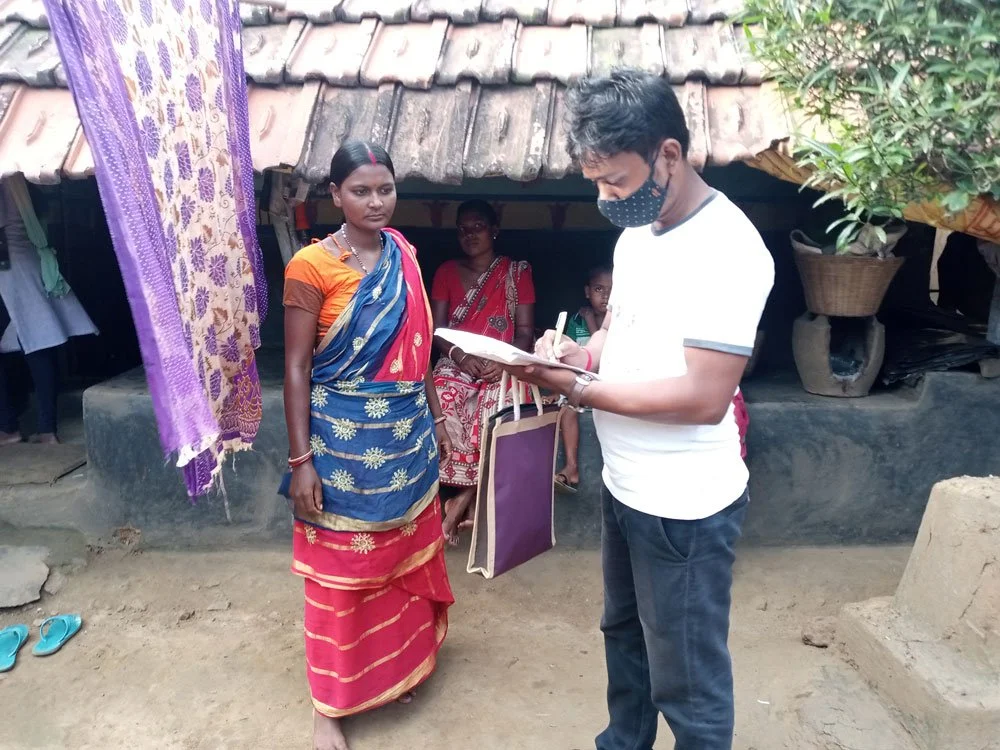
This project aimed to increase knowledge and promote change in social norms and behaviour pertaining to vaccination during pregnancy and the neonatal period among tribal communities in India. It focused on establishing systems within communities that resolve challenges and barriers related to antenatal and postnatal care, institutional delivery, neonatal health, and early immunisation. It included support of discussions on maternal and child-related issues in various local forums such as traditional village assemblies, Village Health Sanitation and Nutrition Days and planning meetings of the local government. The project also focused on capacity building and strengthening the healthcare system by promoting community-based actions with a sustainable model of community media action led by tribal people.
This model comprises the use of community radio, podcasts and other media produced by tribal people, primarily women, to propagate views and experiences in maternal and child health including vaccination. Thus, health communication will be done by the community members themselves, especially the women, which contributes to an enhanced comprehensibility and a strong engagement and ownership of the tribal people. The active facilitation of the dialogue between the tribal population and service providers helped break down barriers that have existed for many years and strengthened community capacity.
Profile of the project lead
Dr Mukherjee has been the Director of Manbhum Ananda Ashram Nityananda Trust (MANT) since 2003. He has a professional background in social work and public health and holds a PhD focused on health communications. As Director of MANT he leads on operations in different areas of health promotion as well as research initiatives. The MANT organisation has focused on empowering marginalised people in West Bengal, India for several decades having established long term relationships with members of marginalised and tribal communities. MANT is now an important partner of the government and other NGOs working with these communities and has been responsible for establishing media and communications channels to reach these communities which has been an important means of health promotion.
Project theory of change
The project structure is based on the understanding that the target group is facing a number interlinked challenges: poverty, discrimination based on tribal status, illiteracy and a lack of access to mainstream media or any media in their own language. Women suffer additional barriers due to gender discrimination which makes it harder for them to access technology and therefore information. From a public health perspective this marginalisation and lack of information have contributed to extremely poor child and maternal health outcomes in these communities, among the worst in the state which itself has poor health outcomes overall.
Within India, a country with many different languages, Dr Mukherjee describes the situation of tribal communities as being in “total information blackout” as media and government messaging has not been able to reach them. There were no books, no newspapers, no TV and no radio in their language until quite recently. One of MANTs primary areas of focus is to create grassroots media in Santhali (the local language of the main tribal community in Purulia) – to support this to be made by local people for local people and ensure the messaging including public health campaigns on vaccination, child and maternal health, tobacco and other issues.
This project built on an existing approach to public engagement in Santhali communities with a focus on capacity building tribal women. MANT had some expertise on vaccines as it is also a provider of mobile health clinics (including vaccine clinics) but this is the first public engagement project focused exclusively on maternal vaccines.
Project implementation
Leveraging community networks and radio
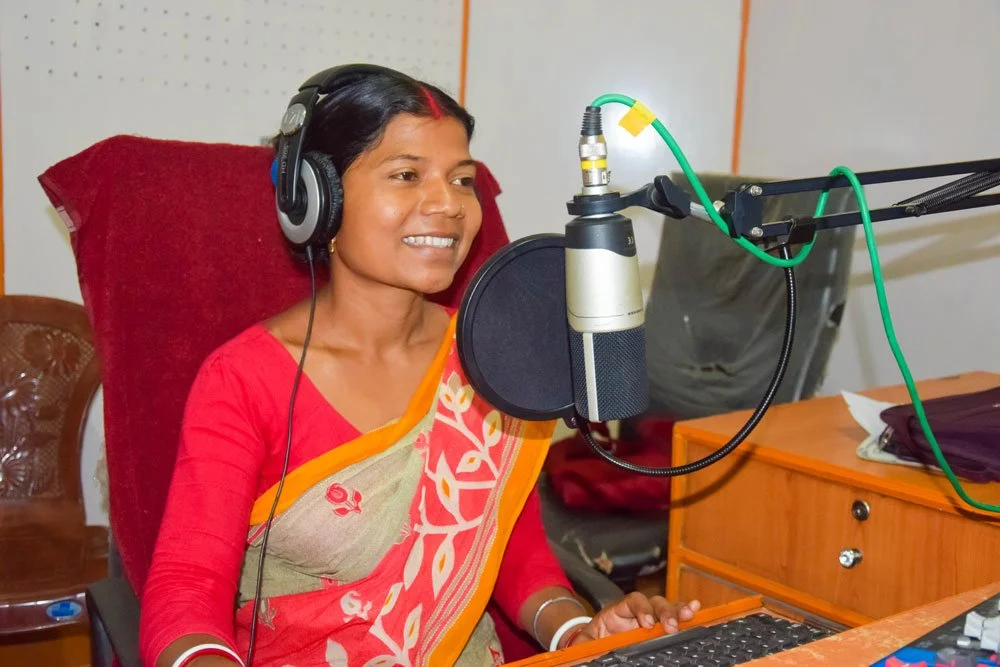
As MANT has already established media channels and expertise in Purulia the project used these existing networks to develop and disseminate content about vaccination. A radio station in Santhali is produced with support from MANT with many DJs having been trained through MANT programmes including India’s first female tribal DJs. Through the project’s eleven radio stations, programmes focused on vaccine hesitancy were produced and disseminated. Two of the key contributors to these radio shows were two Sathal doctors – they played a crucial role as they are able to converse about scientific and health concepts in Santhali and have an understanding of local customs. One of the radio shows produced was a Q&A programme with questions from callers to the radio station answered by these doctors. The other radio programmes were done in a more structured way sharing information from key global guidance documents from the ICMR and WHO. Scripts were translated from English into Bengali and then into Santhali.
Women listening to women
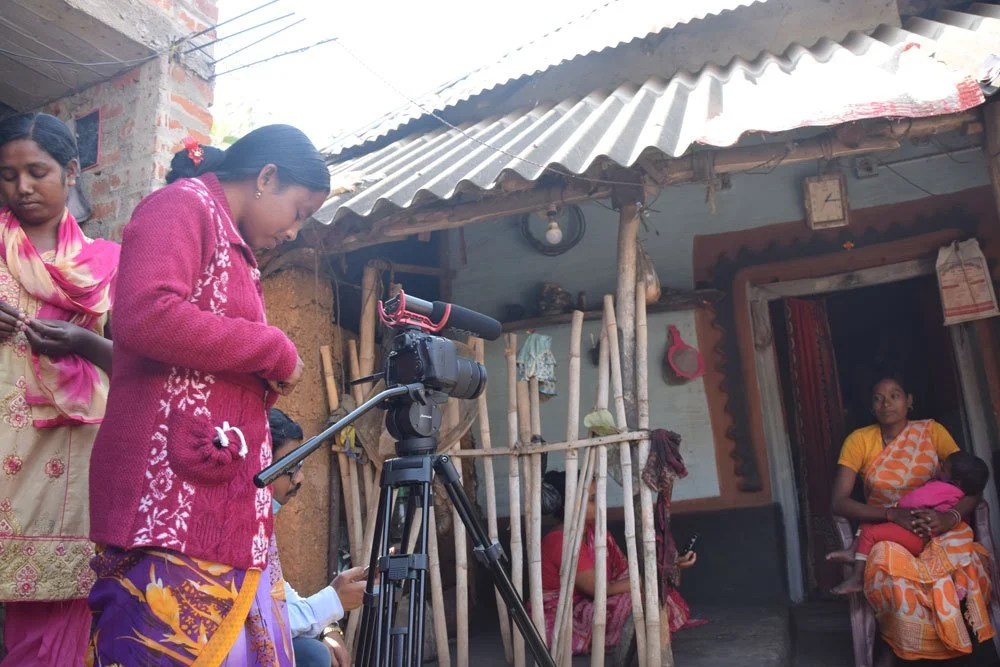
Another prong of this project was to train and empower young women at the community level to produce their own video content of them interviewing other women in their community about their experiences and habits related to health, child care and vaccination. This part of the project had “no need for experts” but rather allowed the creativity and flair of the filmmakers to take on a life of its own. Dr Mukherjee remarked that the natural talent of many of these women shone through in the video outputs and the quality of the videos far exceeded his team’s expectations. Women were trained in basic filming and editing, and were provided support by a professional editor from MANT to create the final outputs. Community Screenings of the videos took place at Traditional Village Assembly meetings, with some of the women taking part becoming local celebrities.
Getting traditional leaders on side
In tribal communities the Aatu Marehar or “council of the five elders” forms the traditional leadership structure. The MANT team worked closely with council elders in order to get them onside with promoting vaccination. Their approval of the message is a crucial way to change behaviour in these communities, if they deem vaccination to be important most people will respect their instruction. The council of the five elders make decisions based on consensus so by working to convince these leaders of the importance of vaccination and allay and concerns of misconceptions they had the MANT team were able to make a significant impact. The MANT team were allowed to share materials produced through the IMPRINT project at Traditional Village Assembly meetings, another way of showing the community that their leaders were onside with the message.
Video statement on the role of radio in scientific education
Key lessons learned
- Working at the grassroots: the approach using members of the target community as the content producers is extremely powerful for generating relevant and relatable content. This is especially relevant in the target communities for this project which suffer from a lack of information and multimedia The grassroots approach also allowed a cohort of young women to learn new skills and confidence.
- Creating fertile ground for pro-vaccine communities: given the work to address barriers to vaccination in these communities, MANT and their collaborators were well placed to spread correct information about the COVID pandemic and vaccination when that started in 2020. Dr Mukherjee has been able to build on his work on vaccine promotion in these communities to ensure that there is a very high rate of acceptance of the new COVID-19 vaccines.
Capturing and exchanging multi-national perceptions of maternal and neonatal immunisation
Dr Marie Yang, University of Liverpool, United Kingdom
Project period: September 2019 - March 2021
Summary of the project
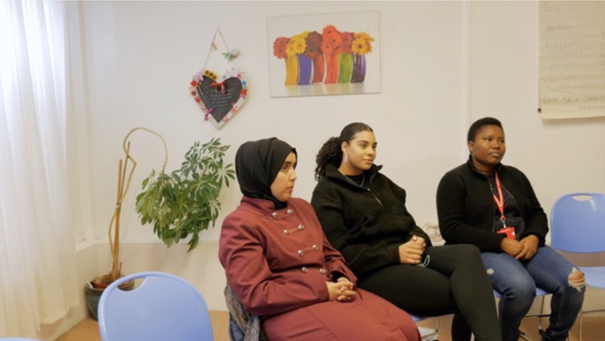
This project aimed to capture and share perceptions of maternal and neonatal vaccination in 3 nations which contrast in their socio-economical status, immunisation policies, ready access to antenatal health care resources and vaccine confidence levels. Using consultation groups and semi-structured interviews, the aim was to produce a short-film portraying multi-national perceptions of maternal and neonatal immunisation. This short-film was to then be presented to communities and audiences located in these three locations followed by discussion and finally an evaluation of whether viewing this changed perspectives around vaccination. The insights generated by getting feedback from participants could be used to inform future funding initiatives. The ultimate goal of promoting communication about vaccination with parents and communities living in low- and middle-income countries (LMICs).
Profile of the project lead
Dr Yang has not worked on or led a public engagement project before – so she saw the IMPRINT call as a fantastic opportunity to start. She was keen to explore some of the critical “non lab” aspects of vaccine delivery in diverse country contexts.
Project theory of change
Unlike many of the IMPRINT public engagement projects which have focused on “actively” training or educating specific groups about vaccination (usually with input and guidance from medical and scientific experts) this project took a unique approach in aiming to use the dialogue and discussion among lay people as a means of changing attitudes instead. The role of the team was curating and recording discussions and thoughts of lay people, collected through discussions and interviews, in a way that would be thought provoking for others.
This project was exploratory – seeking not only to asses what impact this approach to public engagement could have but also to generate insights about about what attitudes people have about vaccines in different countries which can shape future research.
Project implementation
Building on existing networks and partnerships
The project aimed to take advantage of the existing platform of collaborating researchers based in 3 different countries through IMPRINT. Dr Khandakers IMPRINT fellowship was based on work in the diverse geographic settings of Bangladesh, Malawi and the UK. Dr Yang and her team developed the idea of doing a complementary piece of work on public engagement. The project was built around the idea that creating, and then screening a carefully curated short-film that captured diverse “real” views about vaccines could stimulate critical thinking about vaccines among others.
Thailand – The initial ground work by Dr Yang revealed that it would be difficult to implement this project in Bangladesh so she reached out to scientific collaborators in Thailand who keen to be involved and joined the project.
UK – The University of Liverpool already had links with local community groups and a dedicated public engagement team who came on board to support the project.
Malawi – the partner organisation in Malawi had a public engagement department so they came into the project with necessary expertise and links needed to organise discussion and interviews and document them.
Recruiting participants for the recorded interviews and discussions – the first hurdle
As the key focus of this project was to document discussions and views of diverse community members the key initial challenge was recruitment. Participants had to be willing to be recorded in discussions and have this shown to others. Dr Yang and her team aimed to cast the net wide and ensure a diverse representation – to include people from different age groups, both women and men, people from rural and urban areas, and in the UK in people from deprived areas where vaccine uptake is lower than average. However, the COVID pandemic stymied some of these plans and recruitment was challenging. In the end a smaller number of people were interviewed or included in discussion groups than planned. Staff in all three countries relied on existing networks and contacts in the community in order to recruit.
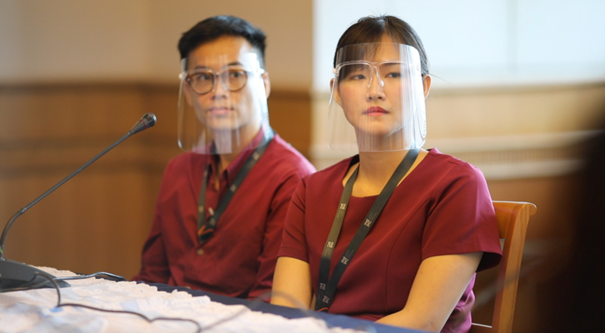
Thailand – recruitment in Bangkok was done through a hospital where researchers were already working. Additional ethical approval was needed to add this project to existing research. 13 people were eventually engaged in focus group discussion (FGDs) which took place once the COVID-19 pandemic had already begun, and 4 one-on-one interviews. All were filmed.
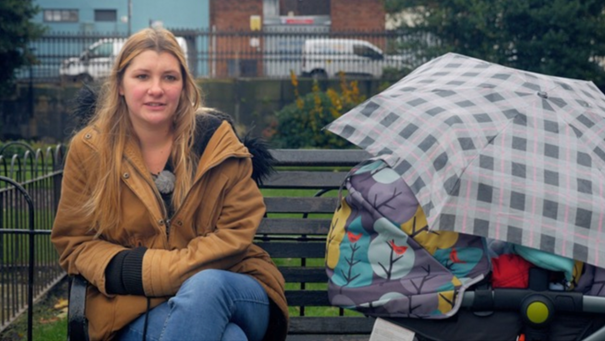
UK – In Liverpool, having a dedicated Public Engagement and Science Communications Officer meant there was in-house expertise and existing networks in the community that were used for participant recruitment. FGDs were set up by recruiting mothers through a local women’s health centre. To recruit men one of the project co-investigators reached out to his networks in a local Liverpool football club. 2 focus groups were organised with a total of 10 participants and 8 one on one individual interviews. A professional moderator was employed to lead the FGDs – Dr Yang believes using this professional moderator was an important decision by the team, it ensured the FGDs did not feel like a “judgemental” space overseen by healthcare experts but rather an environment where open discussion could take place.
Malawi – due to the COVID-19 situation the University of Liverpool team was not able to travel as planned to lead the discussions and documentation (or to Thailand). This meant relying entirely on local teams for recruitment, interviews and recording. Due to the disruption caused by the pandemic it was not ultimately possible for FGDs to take place, but local teams were able to organise and record a series of one-on-one interviews with remote support. In total, 6 interviews were captured and recorded in Blantyre, some remotely by Zoom and some in person.
Producing and editing a film in a pandemic
As mentioned, the pandemic limited the ability of the team to implement this project as originally planned. Rather than travelling to the three sites Dr Yang and her team lead work remotely. A key person on the UK based team was a based filmmaker – he ended up playing a remote role overseeing local film crews to capture the footage during the interviews and discussion and then did the editing work to produce a concise final product.
Short film on multi national perceptions of maternal and neonatal immunisation
The editing process was one of the major challenges of this project. It required input from the creative side (film maker) and the science side (Dr Yang and her team) to edit down a large amount of footage into a structured and coherent output. One of the major challenges for Dr Yang was to balance the ambition of documenting honest views and concerns about vaccines with the risk of spreading misinformation. For example, in one of the FGDs in the UK one participant was recorded repeating what a friend told her about the link between autism and vaccines. Ultimately, after much discussion the decision was made to exclude blatant misinformation like this from the final video and a public health “disclaimer” was added to mitigate the that people watching the video might pick up incorrect information.
Dissemination and follow up – the next challenge
The project was designed to have two phases – the second phase was supposed to be dissemination of the video – screen the final video to groups of people in the three countries followed by a discussion where viewed could share their reflection and views about vaccines. This phase was severely impacted by the onset of the COVID-19 pandemic to the current plan is to show the video to select people online and have them answer questions before and after watching it to see how viewing the video impacts their views on immunisation. This is an ongoing work in progress.
Key lessons learned
- Building on and strengthening networks for new collaborations: While the Liverpool University team leveraged existing research networks and partnerships for this project, a lot of new connections were built and the teams feel confident in doing more public engagement work in the future. The IMPRINT project has led to new collaborations between the UK based members of the project team and the international sites including work on new grants.
- The potential of engaging with lay person perspectives: This project tried a unique approach to engaging with public attitudes on vaccines. Here the vaccine ‘experts’ (health professionals and scientists) in the project remained quiet during discussions and did not take on the role of “lead” or “teacher” but rather facilitated and documented open dialogue in the hope that a non-judgemental environment might stimulate discussion and bring out views which may not be expressed with ‘experts’ in the room. Given the prevalence of misinformation, it may be that engaging in these kinds of discussions or watching other do so is promising approach to changing attitudes on vaccination.
- Cultural difference is a barrier and an opportunity: this project aimed to capture diverse cultural and social views on vaccines. In addition, it provided researchers an opportunity to work with colleagues in very diverse contexts. This presented new challenges to the people involved but also generated important insights, not only for the participants in the project but the researchers themselves.